



As the global demand for energy transition metals accelerates, the mining industry faces a complex landscape of fluctuating commodity prices, logistical hurdles and evolving ESG expectations. In this Q&A, Alan Langridge, Senior Vice President for Projects APAC, shares his perspective on navigating these industry shifts. From the evolving investment climate in Africa and the potential of Mongolia's mineral sector, to the practical applications of modularisation and technologies like Direct Lithium Extraction (DLE), Langridge reflects on how Wood collaborates with clients and local communities to build sustainable, resilient projects.
What is the outlook for the African mining market and how is Wood delivering critical energy transition projects in the region?
The market has been exceptionally positive through the end of 2024 and the beginning of 2025, but today we see a slowdown in project development, with final investment decisions postponed and some challenges along the way. Examples of those challenges include BHP’s failed takeover of Anglo American and the ensuing restructuring of Anglo with the creation of new entities like Valterra, as well as lower commodity prices. Diamond prices are impacting producers in Botswana, whereas the battery metals space shows a mix, depending on the context.
When people talk about "battery metals," they usually focus only on Nickel Manganese Cobalt (NMC) batteries commonly used in Western electric vehicles. Less attention is paid to Lithium Iron Phosphate (LFP) batteries widely used in China and other emerging battery technologies, especially those used for stationary power storage. These favour different materials prioritising cost and longevity over energy density. Hard rock lithium projects are struggling to get off the ground due to the drop in spodumene prices, but it can actually be a good time to develop one, with prices expected to pick up by the time these would enter production. In terms of Foreign Direct Investment (FDI) sources, China has become more selective, whereas the Middle East and India are increasing their interest in Africa.
Wood is winning and delivering materials projects across Africa. Today, we have projects in Namibia, Cameroon, South Africa, Mauritania and Botswana, with past experience in other locations including Ghana, Liberia, Mauritania, Tanzania, the DRC, Mali and Mozambique. We do not operate in any countries sanctioned under law, and we apply strict anti-bribery and corruption checks before moving forward on any project. Some recent projects we have delivered include Cameroon’s Ngovayang Iron Ore Project, the nation’s first major mine, where Wood is providing an engineering scope. We are also providing engineering services for the Tiris Uranium Project, Mauritania’s first uranium mine, which has significant reserves - up to 91.3 Mlbs U3O8 (triuranium octoxide). These projects will be critical in supporting the global demand for critical energy transition resources, and highlight Wood’s commitment to pioneering mining activities in emerging African markets.
How is Wood using VR technology and sustainable engineering practices to improve stakeholder engagement in the mining sector?
Beyond our trustee duty to shareholders to turn a profit, we are always keen to support the advancement of projects with a high social impact value. I have seen this firsthand at one of the projects we were involved with in South Africa for Anglo Platinum, where we placed a big emphasis on engaging people from the local township to staff the project, even where this meant more training and upskilling. Engineering firms are part of the journey, and we seek to engage not just at a surface level but truly be a partner, identifying the ecosystem of stakeholders from local communities to local businesses. For instance, we were at Anglo’s Rustenburg project for six years, during COVID-19 and a change in SMPP contractors, yet we still managed to deliver over 1.3 million hours of LTI-free (loss injury time free) work.
As part of our Environmental, Social and Governmental (ESG) philosophy, we also look at ways to minimize the environmental impact. We have implemented carbon reduction KPIs within our standard engineering workflows and even eliminated single use plastics.
We are proponents of Virtual Reality (VR) to offer local stakeholders a fly-through of the project and a sense of the scale of what the operation would look like. In many communities, people might be familiar with small-scale or artisanal mining, but not the scale of industrial projects we’re talking about. This can make large projects intimidating or misunderstood. Tools like virtual or augmented reality help bridge that gap and improve engagement and a small, up-front investment in that space can pay off significantly. We’ve also seen clients use our VR and 5D and 7D modelling capabilities to engage with local utilities and other stakeholders to demonstrate project progress.
How does a modular approach de-risk mining projects and what logistical challenges must be considered?
I would suggest a degree of modularization for every project, since a modular solution usually translates to lower costs and a de-risked project. However, the main challenge for module fabrication is infrastructure. Without the right roads or rail quality out to site, you run the risk of damaging the module during transportation. Even with a good road, if you’ve got local communities right up against the side the corridor might not be wide enough, adding the cost of a temporary bypass. This means you might have to approach modularisation differently; what you leave preassembled in the module could differ depending on the level of infrastructure.
Are higher commodity prices for metals like gold, copper and uranium reigniting interest in more complex ore bodies that may have previously been overlooked?
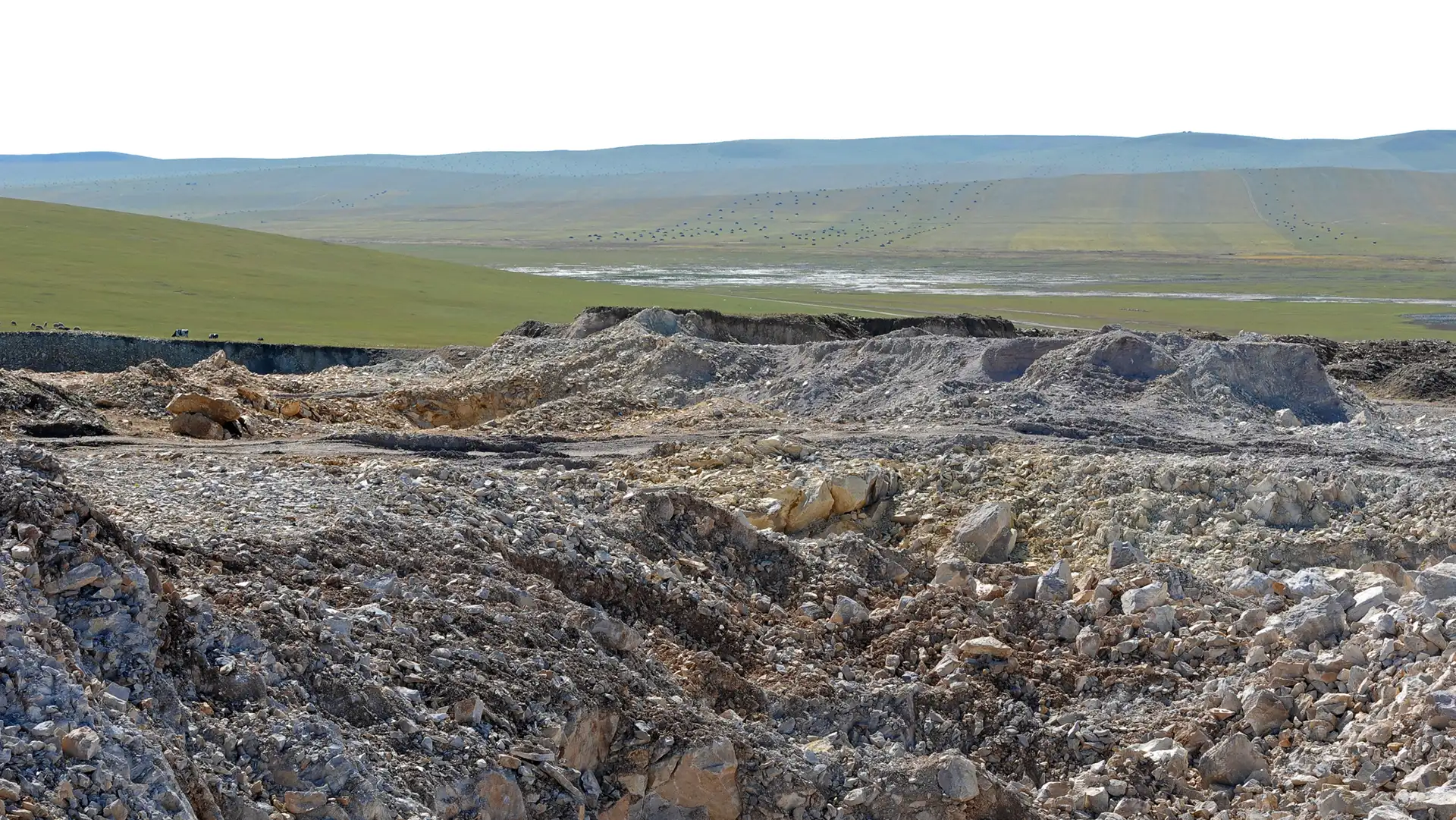
This is a trend, especially in uranium, but also when it comes to ore sorting technologies for copper and the reprocessing of gold tails. This reprocessing involves extracting valuable minerals from the waste materials (tailings) left behind by previous mining operations. We’ve seen more reprocessing scopes emerge in recent years. This is typically on older gold deposits where the original processing technologies weren’t as advanced or where high grades meant they didn’t chase every gram, letting material end up in the waste dump. These projects come with their own challenges, so technically they can be more demanding. But, in the right circumstances, they’re getting serious attention.
What impact could the commercialisation of technologies like direct lithium extraction (DLE) have on project feasibility and development timelines? Are there any other emerging technologies on the horizon?
Right now, direct lithium extraction (DLE) is the holy grail for certain flowsheets, but these technologies are only just emerging from the demonstration plant stage, which adds to perceived risk. With DLE, you essentially produce a chemical “soup” that’s processed to extract lithium. In brine projects, this allows you to reinject the water back underground rather than relying on evaporation, which can negatively impact salars, as seen in the lithium triangle in South America. Another benefit is that DLE produces fewer byproducts. In conventional methods, you often end up with byproducts that are technically sellable but hard to monetise due to distance from end markets, raising questions about their economic viability and management
DLE has a place and, over time, it will likely play a bigger role in how lithium reaches the market, but there is still a way to go. Most majors prefer to be "first to be second," so it’s likely a junior or mid-tier company will bring it to market first. Rio Tinto is developing its own DLE technology in South America, and projects like Vulcan in Europe are also advancing the approach. Other hard rock technologies, such as Metso’s alkaline leach process, eliminate many of the byproducts generated by a traditional flowsheet.
What is the potential for Mongolia’s mining sector, and how is Wood supporting critical mineral projects like Khalzan Buregtei as lead consultant?
The KB project is a great showcase of Wood's global network.The engagement with MNREC’s Khalzan Buregtei (KB) is managed in Canada, with the processing expertise coming from our teams in Australia and India. Wood is familiar with Mongolia, since we have been involved with Oyu Tolgoi with both offshore engineering services and sustained capital work. We have a strong legacy in the region and are investigating the potential for expansion. Mongolia offers great potential in uranium, gold, copper and rare earth elements (REEs), but, since Mongolia is land-locked, a key challenge is getting these commodities to market.
Mongolia has strong potential to develop a robust domestic mining industry. The real question is the timeline: how quickly can that potential be realised and can projects be made economically competitive? Global capital for mining is limited, so attracting investment is key.
In Mongolia, Wood brings the credibility and reputation of a global brand, which can help projects gain more favourable attention from investors. But our aim goes beyond simply project delivery excellence and engineering expertise: we’re focused on building local capabilities and contributing to the local skills base while we partner to deliver the project and then provide support into operations.
About the author
-

Alan Langridge
Senior Vice President for Projects APAC
 Connect