



A Phase I Environmental Site Assessment (ESA) is a standardized environmental due diligence process designed to identify material environmental risks and conditions with a property’s historical and current uses that could affect development, financing or a real estate transaction. The process is governed by ASTM International’s E1527‑21 Standard Practice and is widely relied upon to support risk‑informed development decisions, real estate transactions and regulatory compliance.
A Phase I ESA evaluates recognized environmental conditions (RECs) associated with a property’s historical and current uses and helps flag potential environmental liabilities before a transaction is completed. Identifying environmental conditions early may trigger more detailed Phase II investigations or remediation planning, which can substantially influence overall due diligence cost, schedule and project feasibility.
What is included in a Phase I Environmental Site Assessment (ESA)?
Key components explained
Historical and regulatory records review
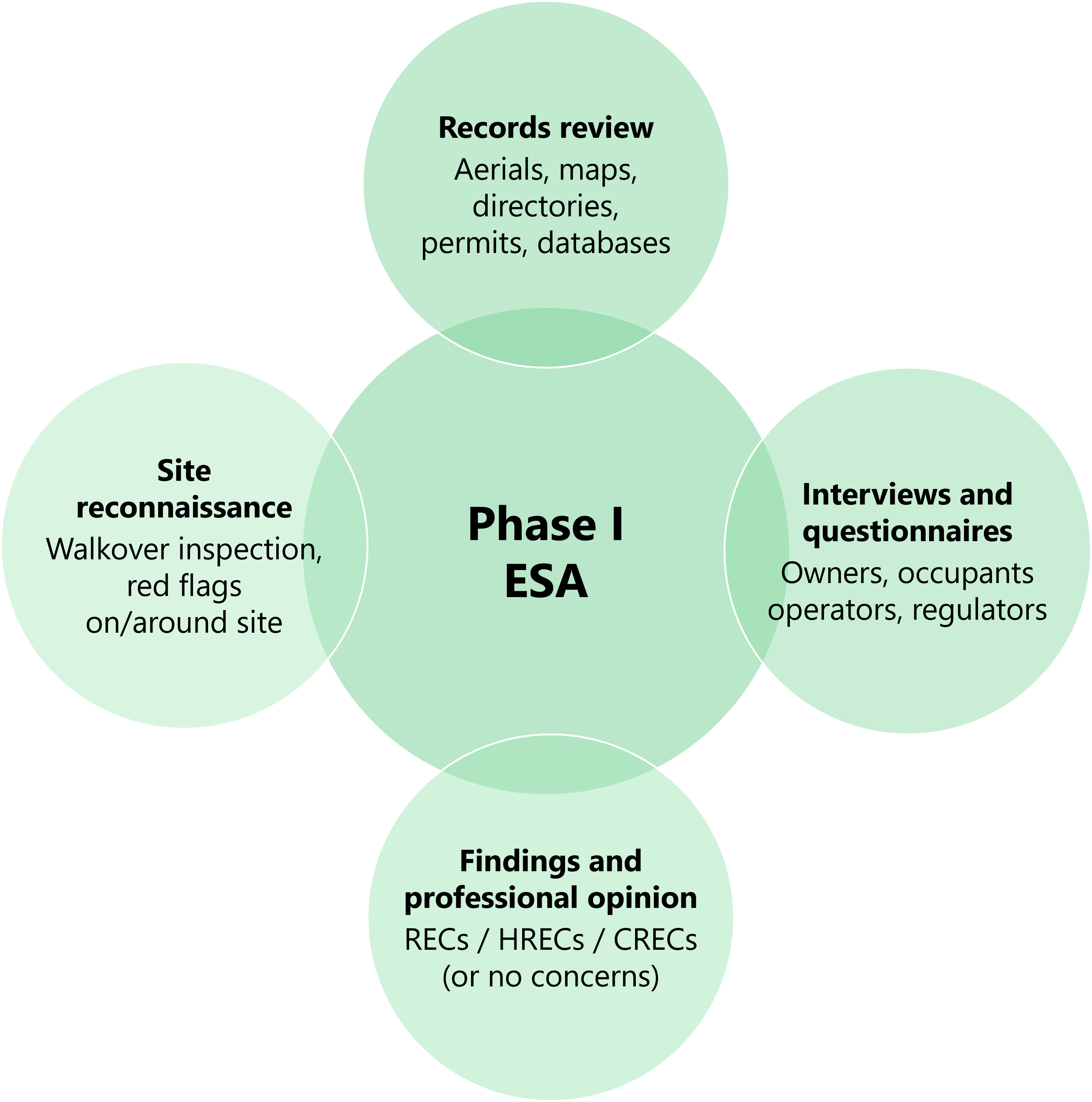
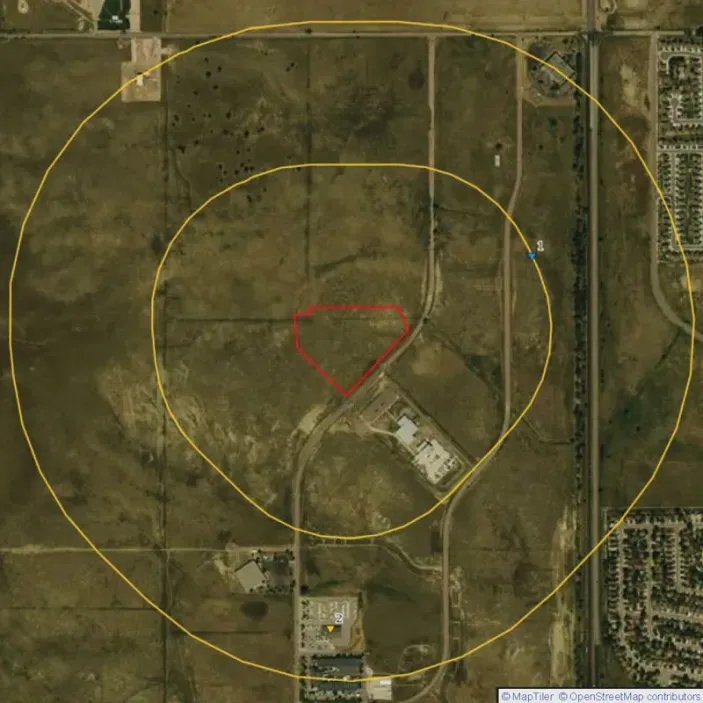
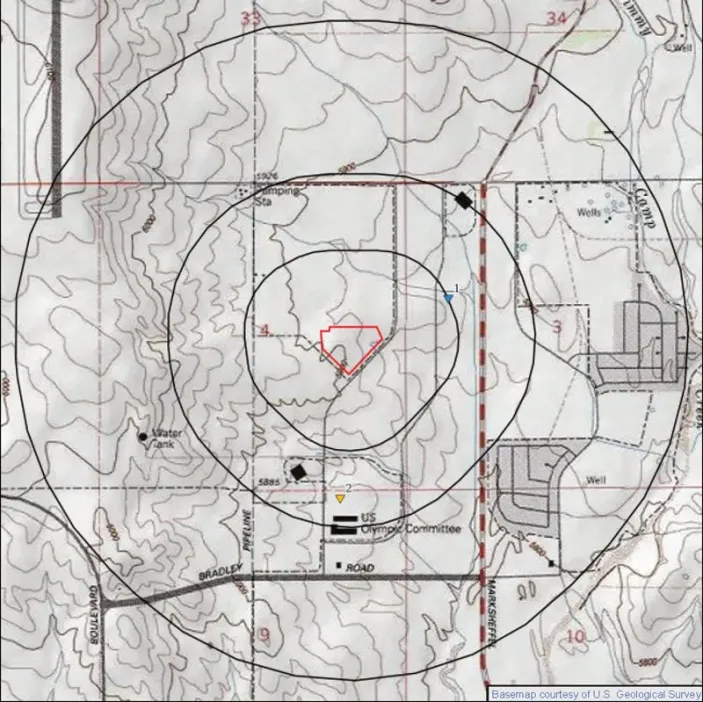
ASTM E1527‑21 requires a systematic review of historical and regulatory sources, including aerial photographs, fire insurance maps, city directories, topographic maps and environmental databases, to evaluate past site uses and surrounding activities that may present contamination risks.
Site reconnaissance and property inspection
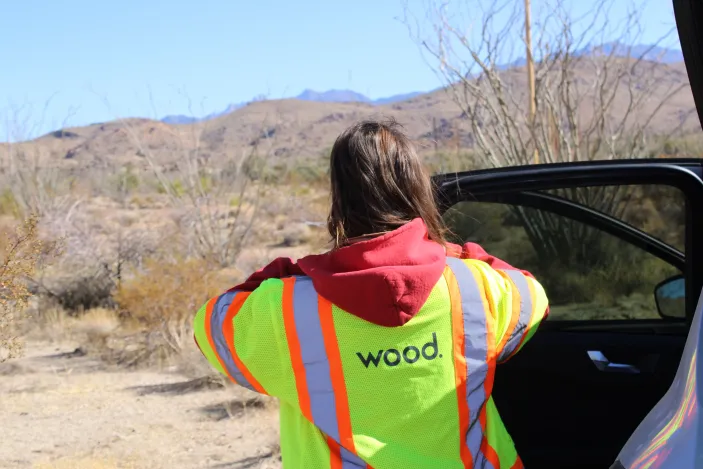
A visual inspection of the property and surrounding areas to identify potential environmental red flags, such as stressed vegetation, stained soils, storage tanks, waste materials or evidence of hazardous substance handling, consistent with ASTM E1527‑21 requirements.
Interviews and questionnaires with owners and regulators
Engagement with landowners, operators, occupants and regulatory staff, where available, to supplement documented information and provide context on site history.
Environmental findings, RECs and professional opinion
Documentation and evaluation of recognized environmental conditions (RECs), historical RECs (HRECs), controlled RECs (CRECs) or confirmation that no environmental concerns were identified, supported by the environmental professional’s judgment. ASTM E1527‑21 places increased emphasis on transparent professional judgment and clear rationale supporting conclusions.
When is a Phase I ESA required?
A Phase I ESA is typically required prior to:
- Property acquisition or long-term land lease
- Financing or refinancing
- Mergers, acquisitions or divestitures
- Permitting or entitlement processes
- Establishing eligibility for CERCLA liability protections
While not legally mandated in every transaction, Phase I ESAs are a standard expectation in commercial real estate and project development. The assessment also helps establish eligibility for liability protections under the Comprehensive Environmental Response, Compensation, and Liability Act (CERCLA).
Why a Phase I ESA is important for due diligence and risk management
Risk reduction
Identify potential contamination or historical land uses early to avoid redesigns, delays and surprises.
Standards and liability protections
Meet ASTM E1527‑21 and EPA All Appropriate Inquiry (AAI) requirements to support CERCLA landowner liability protections.
Financing and permitting readiness
Satisfy lender, tax equity and permitting authority requirements to keep transactions and approvals moving forward.
Early identification of environmental constraints and risk reduction
A Phase I ESA helps project teams identify potential contamination or historical land uses that may limit development or introduce future liability. This is particularly important for agricultural or mixed‑use lands, which are common in greenfield development and may have undocumented use of petroleum products, pesticides or waste materials.
Early identification allows teams to adjust site layouts, pursue targeted Phase II investigations if necessary or negotiate land agreements more effectively, reducing the likelihood of costly delays or redesigns.
Compliance with ASTM E1527‑21 and EPA All Appropriate Inquiry (AAI)
Completion of a Phase I ESA that complies with ASTM E1527‑21 and the EPA’s all appropriate inquiry (AAI) requirements is essential for securing landowner liability protections under CERCLA. These protections can significantly reduce legal exposure if contamination is discovered after acquisition.
Environmental due diligence for financing, land acquisition and permitting
Lenders, tax equity partners and many permitting authorities require a compliant Phase I ESA before advancing a project. A Phase I ESA supports:
- Land acquisition and leasing decisions
- Securing project financing
- Establishing defensible documentation for regulatory review
Liability for environmental contamination may be assigned based solely on property ownership.
An AAI may be conducted to obtain protection from potential liability under CERCLA.
Who needs a Phase I Environmental Site Assessment (ESA)?
A Phase I ESA is commonly required or strongly recommended for:
- Property buyers and developers
- Lenders, investors and tax equity partners
- Renewable energy and infrastructure developers
- Industrial and commercial operators
- Portfolio transactions involving multiple sites
Any party assuming ownership or operational control of land can benefit from a Phase I ESA by understanding environmental risk before it becomes a liability.
How long does a Phase I ESA take?
The duration depends on site complexity, data availability and project scale, but most Phase I ESAs are completed within a few weeks.
For a typical single‑parcel development site, a Phase I ESA often takes approximately 2–4 weeks, including records review, site reconnaissance, analysis and reporting. More complex sites may require more time.
Factors that can affect turnaround time include:
- Size of the property and number of parcels
- Availability and quality of historical records
- Complexity of past land uses
- Access restrictions or safety considerations during site visits
- Multi‑site or portfolio‑scale projects
- Jurisdictional or regulatory data availability
Expedited Phase I ESAs may be possible where schedules are tight, provided site access and records are readily available. For large portfolios, infrastructure or energy projects, timelines are often phased or programmatic to align with acquisition and permitting milestones.
Completing the ESA early in the project lifecycle helps avoid delays by allowing sufficient time to address any recognized environmental conditions that may require further evaluation.
What is a recognized environmental condition (REC)?
A recognized environmental condition is the presence or likely presence of hazardous substances or petroleum products at a property due to a known release, a past release or a material threat of a release. RECs are identified through historical research, regulatory review, site inspection and interviews conducted as part of the Phase I ESA process.
Phase I ESAs may also identify:
- Historical RECs (HRECs): Past releases that have been remediated to regulatory standards and no longer pose a material concern
- Controlled RECs (CRECs): Known contamination that remains but is managed through engineering controls or institutional restrictions
- Business Environmental Risks (BERs): Environmental conditions that may present financial, operational or reputational risk to a project but do not meet the ASTM definition of a REC (eg, asbestos, lead-based paint, mold or regulatory compliance considerations)
- De minimis conditions: Minor issues that do not represent a material risk to human health or the environment and do not require further investigation under the ASTM standard
Understanding the type and context of an REC is critical, as not all findings result in additional investigation or project impacts.
How much does a Phase I ESA cost?
The cost of a Phase I Environmental Site Assessment varies based on project scale, site characteristics, transaction structure and schedule requirements.
For small, straightforward commercial properties, Phase I ESA costs typically start in the low thousands of dollars.
For larger sites, complex historical land uses or infrastructure projects involving multiple parcels, costs range from several thousand dollars to $20,000 or more, depending on scope, acreage, records complexity and turnaround expectations.
For renewable energy projects and infrastructure developments, Phase I ESA costs are influenced by program efficiency, risk management and integration with broader due diligence and permitting workflows, rather than individual parcels. These developments typically involve large land footprints, multiple parcels, phased acquisition and tight timelines. These factors directly influence Phase I ESA scope, methodology and cost.
Phase I ESA cost drivers for renewable energy portfolios and energy corridors
Project scale and number of parcels
Utility‑scale solar, wind, battery storage and pipeline projects may involve dozens or hundreds of parcels. Costs are influenced by how assessments are structured – individual reports versus standardized, programmatic approaches – and whether sites are evaluated in parallel or in phases.
Historical land use complexity
Agricultural, rural and industrial lands may have undocumented or poorly recorded historical uses, including fuel storage, chemical application, waste disposal or legacy infrastructure. Additional research effort may be required where historical records are limited or inconsistent.
Geographic dispersion and jurisdictional variability
Projects spanning multiple counties, states or regulatory jurisdictions may require additional coordination, database searches and agency interaction, affecting overall effort and cost.
Site access constraints
Seasonal access restrictions, active operations, safety requirements or third‑party landowner coordination can add time and complexity to site reconnaissance.
Schedule and transaction timelines
Expedited Phase I ESAs may increase costs where accelerated delivery is required to meet land acquisition, financing or multiphase permitting milestones.
Programmatic and portfolio‑based cost efficiencies
For renewable and midstream developers, Phase I ESA costs can often be reduced on a per‑site basis through portfolio‑level strategies, including:
- Standardized methodology and reporting formats
- GIS‑enabled historical research and screening
- Coordinated site visit planning across multiple parcels
- Tiered review approaches aligned with development risk
Programmatic execution helps control costs while maintaining consistency and defensibility across large project pipelines.
Cost considerations beyond the Phase I report
From a development perspective, the value of a Phase I ESA is not limited to the report itself. Early identification of recognized environmental conditions can:
- Reduce risk of late‑stage project delays
- Support informed land option and purchase negotiations
- Improve accuracy of Phase II scoping and budgeting, if required
- Protect financing and tax equity closing schedules
In this context, Phase I ESA costs are best evaluated as part of overall project risk management, rather than as a standalone expense.
Managing cost through early engagement
Engaging environmental consultants early allows renewable energy and midstream developers to align Phase I ESA scope with acquisition strategy, permitting pathways and financing requirements. Early coordination can improve efficiency, reduce re‑work and support faster, more confident decision‑making.
Early identification of environmental risk allows parties to make informed decisions and avoid costly delays later in the transaction process.
How long is a Phase I ESA valid under ASTM and AAI requirements?
To meet AAI requirements, certain components of a Phase I ESA must be updated if more than 180 days have elapsed prior to acquisition.
A Phase I ESA is generally considered valid for up to one year, provided required updates are completed.
This is particularly important for projects with extended development or financing timelines.
Phase I ESA vs Phase II ESA: Key differences and when each is required
A Phase I ESA is a non-intrusive assessment focused on identifying potential environmental concerns through records review, site inspection and professional judgment, often required for AAI/lender diligence.
A Phase II ESA involves intrusive investigation, such as soil, groundwater or vapor sampling, to confirm the presence and extent of contamination. It is performed when Phase I findings or project-specific risk factors warrant sampling.
| Phase I ESA | Phase II ESA | |
|---|---|---|
| Purpose | Identifies potential risks (RECs/data gaps) | Confirms contamination |
| Method | Records review, no sampling | Sampling to confirm presence/absence and characterize extent |
| Cost | Lower cost | Higher cost |
| When required | Required for EPA All Appropriate Inquiry (AAI) | Often triggered by RECs or other site-specific risk factors identified in Phase I |
What triggers a Phase II Environmental Site Assessment?
A Phase II ESA may be recommended when a Phase I ESA identifies:
- Evidence of historical industrial, commercial or petroleum use
- Documented spills, releases or regulatory enforcement actions
- Underground or above-ground storage tanks
- Visual indicators such as stained soils or stressed vegetation
Not all RECs require further investigation, but early identification allows project teams to assess cost, schedule and feasibility impacts.
Who conducts a Phase I ESA?
A Phase I ESA is conducted by a qualified environmental professional who meets the requirements defined by ASTM E1527‑21 and the U.S. Environmental Protection Agency’s all appropriate inquiry (AAI) rule.
The environmental professional oversees the assessment, reviews records, conducts or supervises site reconnaissance, evaluates findings and forms professional opinions regarding recognized environmental conditions.
While technical specialists or field staff may support data collection, the Phase I ESA must be reviewed and signed by an environmental professional to meet ASTM and AAI requirements.
Engaging an experienced environmental consultant is essential to ensuring the Phase I ESA is defensible, compliant and appropriately scoped for the transaction or project. Professional judgment plays a critical role in interpreting historical data, identifying material risks and determining whether additional investigation may be warranted.
Wood’s experience delivering Phase I and Phase II ESAs
Wood’s environmental services team has completed hundreds of Environmental Site Assessments throughout many jurisdictions in the United States, offering fast, defensible due diligence that meets ASTM E1527‑21 standards. Our worldwide network of environmental consultants is equipped to deliver site assessments and due diligence services across over 60 countries.
Portfolio-scale projects for renewable energy, midstream or infrastructure developments benefit from standardized methodologies, GIS-enabled screening and consistent reporting across jurisdictions.
Our team combines historical research, a two-tier technical review process and streamlined digital reporting to reduce turnaround time, minimize surprises and clearly define any Phase II scope, if necessary.
Contact our environmental services team to discuss your next development project.
Author
-

Erin Cozart
Project Development Team Lead
 Connect
About this article
Standards alignment
This article reflects current industry best practice and aligns with ASTM E1527‑21, the prevailing standard for Phase I Environmental Site Assessments, as recognized by the U.S. Environmental Protection Agency for All Appropriate Inquiries.
Professional review
This content has been developed and reviewed by environmental professionals with experience supporting environmental due diligence for energy, infrastructure and real estate development projects.
Practical experience
The guidance presented is informed by Wood’s practical experience delivering hundreds of Phase I Environmental Site Assessments and environmental due diligence services across complex development, transaction and permitting contexts.
Last reviewed: February 2026.
References
U.S. Environmental Protection Agency (EPA)
All Appropriate Inquiries (AAI) Rule
U.S. Environmental Protection Agency (EPA)
CERCLA Liability Protections for Landowners